Festivals & Events

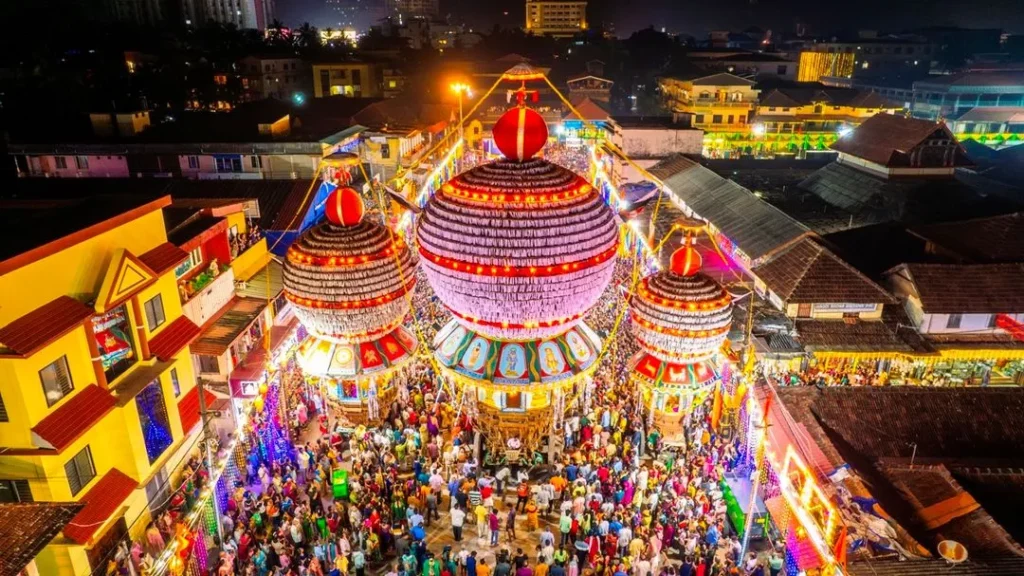
Mookambika Temple Annual Car Festival

The Mookambika Temple Annual Car Festival is a major spiritual and cultural event held at the Kollur Sri Mookambika Temple, located in the picturesque foothills of Kodachadri Hills. This significant festival takes place during the Vasantha Navaratri period, typically between March and April, and attracts devotees from all over the country. The festival is a celebration of Sri Mookambika, the presiding goddess of the temple, and features a variety of rituals, prayers, and cultural activities. Key Rituals and Highlights: About Sri Mookambika Temple:‍‍ Sri Mookambika Temple, dedicated to Goddess Mookambika, is one of the most revered temples in Karnataka. The temple is known for its unique Swayambhu (self-born) jyotirlinga, which is divided into two halves: one half represents Tridevis (the three goddesses) and the other half represents the Trimurtis (the three primary gods of Hinduism). The temple also houses a four-handed panchaloha idol of the goddess. The temple is believed to have been created by Sage Parashurama, and it is situated on the banks of the Souparnika River. The goddess Mookambika is believed to have slain the demon Mookasura (also known as Kaumasura), and her name reflects her victory over the demon. Why Attend? The Mookambika Temple Annual Car Festival offers a chance to experience the rich spiritual traditions and vibrant cultural heritage of Karnataka. With its combination of ancient rituals, the grand chariot procession, and lively cultural festivities, this festival provides an immersive experience for those seeking both devotion and entertainment. Join the celebrations and seek blessings from Goddess Mookambika during this grand and sacred festival!

Mookambika Temple Annual Car Festival Read More »
Attur Festival, Udupi 2025

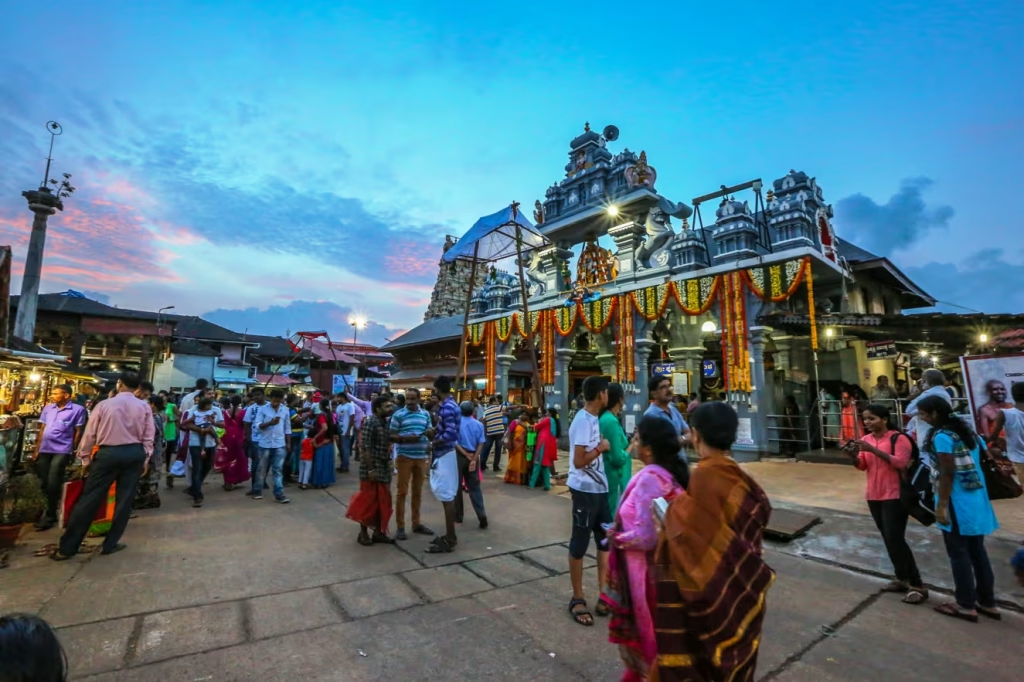
The Attur Festival, celebrated annually at Saint Lawrence Shrine Basilica in Karkala, is a major religious event from January 25 to 29, 2025. This traditional festival features Novena prayers, cultural activities, and a feast, drawing devotees from near and far to honor St. Lawrence and seek blessings through rituals such as lighting candles and making offerings. The Attur Festival, or Attur Jatre, is an annual religious and cultural event held at the Saint Lawrence Shrine Basilica in Karkala, Karnataka. This revered Roman Catholic church, built in 1759, is known for its miraculous stories and deep spiritual significance. The festival, celebrated from January 25 to 29, 2025, honors St. Lawrence, the patron saint of the church, and is marked by Novena prayers, a grand feast, and various devotional rituals. Historical Context and Tradition: The origins of the Attur Festival trace back to the post-captivity era when Christians, who had returned from Tipu Sultan’s captivity, were left landless and homeless. Devoted to St. Lawrence, they began celebrating the annual feast during the last week of January, a tradition that has continued to this day. The event was designed to allow both local and distant devotees to visit the Shrine, ensuring a large turnout for the festival’s sacred rituals. Significance of the Festival: The Attur Festival is not only a religious event but also a community celebration. The primary rituals include: Cultural and Spiritual Highlights: Why Attend? Attending the Attur Festival is an opportunity to experience a unique blend of spirituality, tradition, and cultural heritage. The event offers a chance for pilgrims and visitors to pay homage to St. Lawrence, participate in meaningful rituals, and be part of a deeply-rooted tradition that has been celebrated for centuries. Make your way to Saint Lawrence Shrine Basilica in Karkala this January and be part of the sacred Attur Festival 2025!

Attur Festival, Udupi 2025 Read More »

Kodi Habba Festival, Udupi

The Kodi Habba Festival at Sri Kotilingeshwar Temple in Koteshwar, Udupi, is a major cultural and religious event, celebrated with fervor every year. On December 15, 2024, the festival will feature a bamboo chariot procession, cultural performances, and rituals steeped in mythological significance. Decorated with lights, the town becomes a vibrant hub for devotees and visitors. The Kodi Habba, held annually at the Sri Kotilingeshwar Temple in Koteshwar, Udupi, is a one-of-a-kind celebration that blends mythology, devotion, and coastal Karnataka’s rich cultural traditions. On December 15, 2024, this unique festival promises to draw thousands of visitors to Koteshwar, where they will witness an extraordinary bamboo chariot procession, cultural events, and a town aglow with festive lights. About Kotilingeshwar Temple:The Kotilingeshwar Temple is one of the most revered temples in the region. Located in Koteshwar, formerly known as Dwajapura, the temple is known for its scenic beauty and historical significance. It also houses the largest Pushkarani (holy water tank) in Karnataka – Koti Theertha. Mythological Significance:The festival’s origins are rooted in a mythological story from the Puranas. Maharaja Vasu Chakraborty of Basrur, who struggled with infertility, vowed to build a temple at Koteshwar if blessed with children. After the king was blessed with offspring, he began constructing the temple. However, when Brahma’s chariot wasn’t ready in time, the king created a chariot from bamboo and sugarcane bagasse. This gave birth to the unique bamboo chariot procession, which is the hallmark of the Kodi Habba Festival today. Festival Highlights: Why Attend?Kodi Habba is not only a spiritual occasion but a vibrant cultural event that offers a glimpse into the unique traditions of coastal Karnataka. From the bamboo chariot procession to cultural performances and festive activities, it’s an event that promises fun, faith, and community spirit. Join the celebrations and experience the magic of Kodi Habba this December 15th! ‍

Kodi Habba Festival, Udupi Read More »

Vitla Pindi, Sri Krishna Temple

Vitla Pindi (Mosaru Kudike) is a popular and lively festival celebrated at Sri Krishna Temple, Udupi, during Srikrishna Janmastami in August-September. Teams compete in physical challenges to smash a clay pot filled with milk or curd, symbolizing the childhood mischief of Lord Krishna. This event celebrates both devotion and playful competition, drawing large crowds to the temple streets. Vitla Pindi, also known as Mosaru Kudike, is a unique and exciting festival celebrated during Srikrishna Janmastami in Udupi, Coastal Karnataka. This event is a fun tribute to the childhood mischief of Lord Krishna, who was known for stealing butter and playing pranks on those around him. Vitla Pindi celebrates Krishna’s playful nature with a thrilling competition that tests participants’ physical endurance and balancing skills. Key Highlights of the Festival: About Sri Krishna Temple:The Sri Krishna Temple in Udupi is a revered pilgrimage site dedicated to Lord Krishna. It is famous for its beautiful architecture, intricate rituals, and its connection to the rich cultural and religious heritage of Coastal Karnataka. During Janmastami, the temple hosts numerous festivities, with Vitla Pindi being one of the most awaited events, bringing both devotees and visitors together in a celebration of devotion and community. Why Attend?Vitla Pindi is a vibrant and lively celebration of Lord Krishna’s mischievous spirit. The unique combination of physical skill, fun, and devotion makes it a must-attend event for anyone in the region during Srikrishna Janmastami. Join the festival for an unforgettable experience filled with excitement, energy, and spiritual reverence.

Vitla Pindi, Sri Krishna Temple Read More »

Huli Vesha (Tiger Dance)

Huli Vesha, also known as Tiger Dance, is a traditional and energetic dance form performed during festivals such as Krishna Janmashtami and Navratri in Dakshina Kannada and Udupi. Dancers paint themselves like tigers, honoring the majestic predator, and perform to the beats of drums in lively processions. This internationally acclaimed dance reflects the deep respect and reverence for the tiger, a symbol of power and divinity in the region. Huli Vesha (Tiger Dance) is a culturally rich and energetic tradition practiced in Dakshina Kannada and Udupi during major festivals like Krishna Janmashtami, Navratri, and Ganesh Chaturthi. It is a performative art form in which men dress up and paint their bodies to resemble tigers, showing their love and reverence for this powerful predator, which is considered sacred by the people of the region. The dancers, known as “Pilivesha” troupes, participate in processions during these festivals, captivating audiences with their energetic performances. The tiger-themed body paint and dramatic dances, accompanied by the rhythmic beats of drums, create a mesmerizing illusion of a tiger dancing. Key Features of the Festival: Cultural Significance:Huli Vesha is a form of expression that reflects the deep respect and reverence the people of Dakshina Kannada and Udupi have for tigers, often considered a symbol of divine strength and protection. The dance, which is performed to the beats of drums, creates a mesmerizing spectacle that draws large crowds and is a vital part of the region’s festive traditions. Why Attend?Huli Vesha is an unforgettable experience for visitors, offering a vibrant and culturally rich performance that blends art, devotion, and physical endurance. Witnessing this international dance form in its native setting provides an opportunity to engage with local traditions and immerse oneself in the festive atmosphere of Krishna Janmashtami and Navratri.

Huli Vesha (Tiger Dance) Read More »